Invisalign at Unity
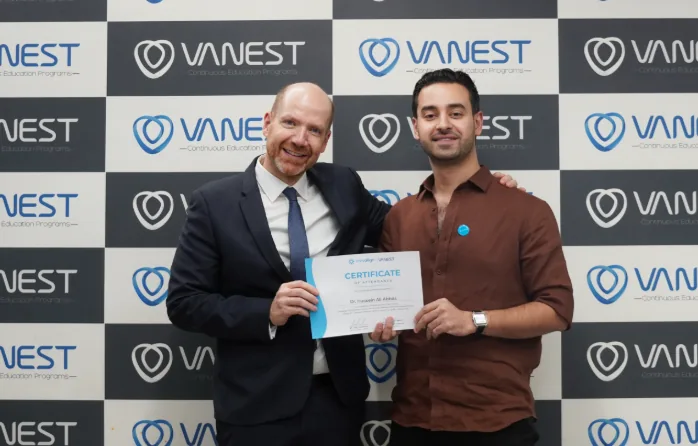
In June 2026 Dr. Hussein Ali Al-Husseiny became an Invisalign provider in Iraq, after training with VANEST, the Invisalign distributor in Iraq. Unity then hosted Babil province's first clear aligner open day, on 13 October 2026.
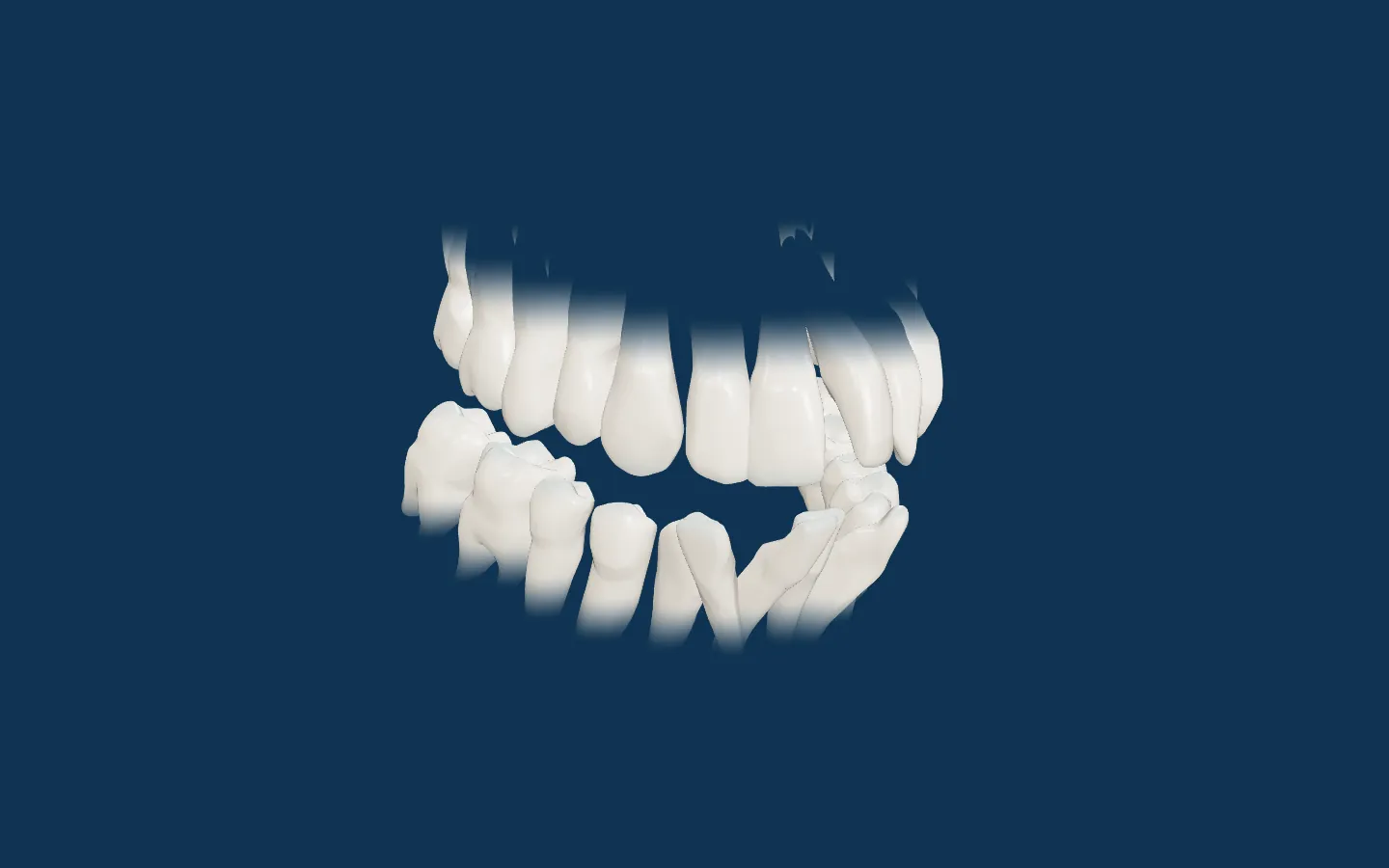
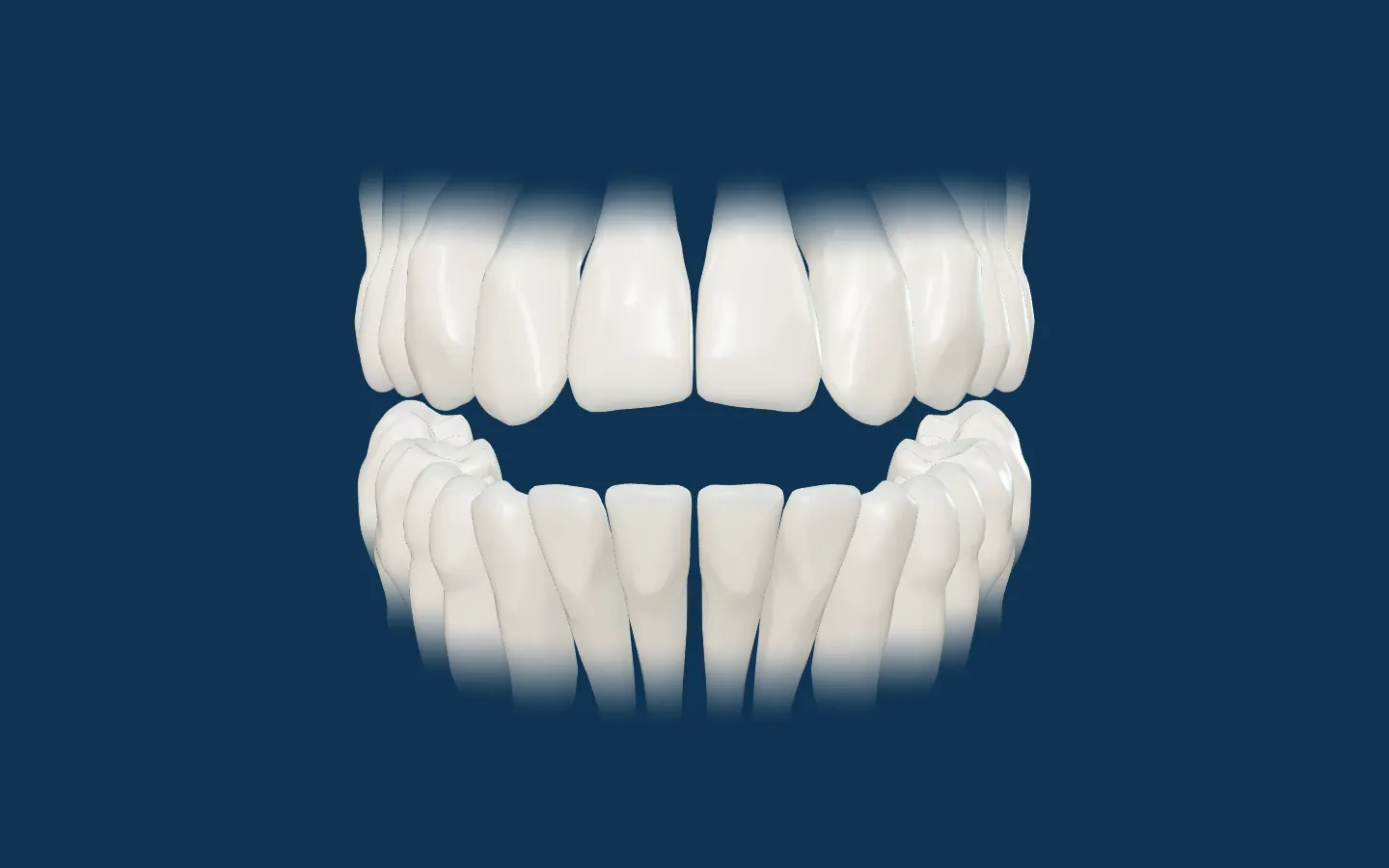
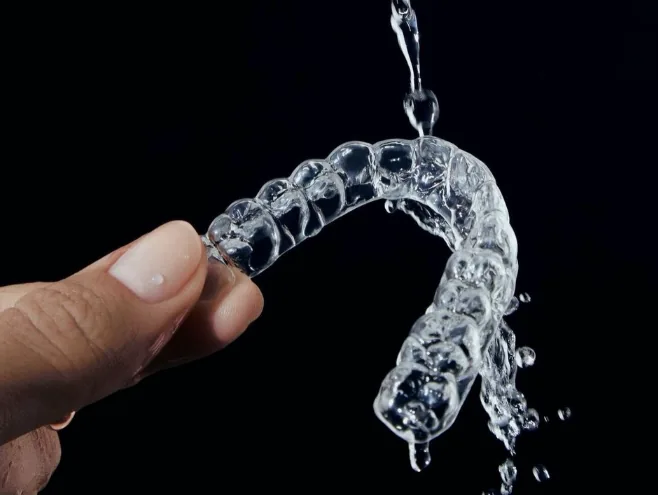
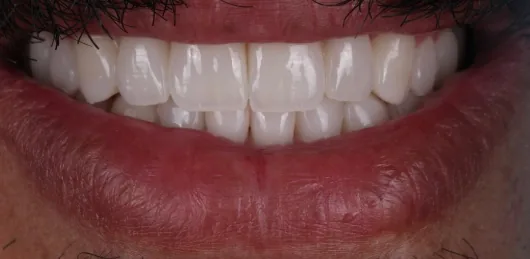
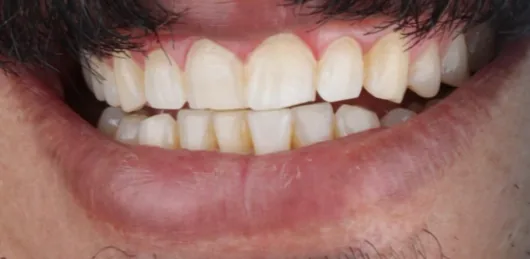
Clear aligners treat crowding, gaps, and deep, reverse and open bites, and they do best in mild to moderate cases. For complex cases fixed braces are sometimes the safer choice, and you will hear that from us at the check-up.
Questions we hear every day
Does it hurt?
Most people feel pressure for the first couple of days of each new aligner, which means it is doing its job, and some have a slight lisp for a day or two while the tongue gets used to it. If pain carries on, tell the doctor.
How many hours a day do I wear them?
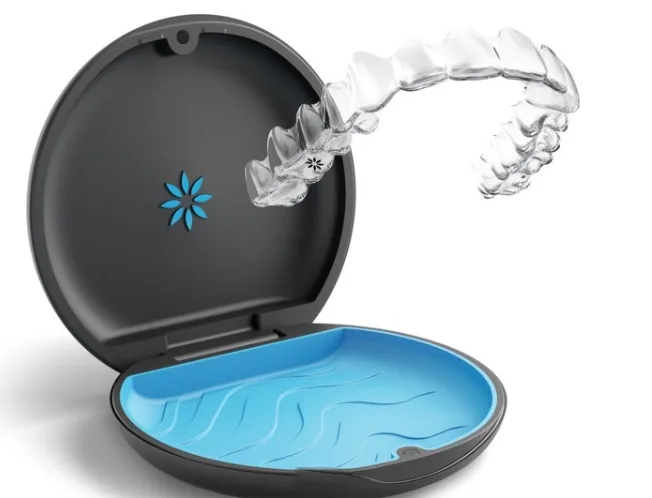
20 to 22, so you sleep in them too. They come out only to eat, to drink anything other than water, and to brush.
How long does treatment take?
It depends on the case. Simple cases can finish in around six months; the overall average is a year to eighteen months. You get your own estimate after the examination.
Can I eat normally?
Yes, because the aligners come out for meals. Brush before you put them back, and take them out for tea and coffee so they don't stain.
What if I lose or break one?
Tell the clinic straight away. The doctor will decide whether you go back to the previous aligner, move on to the next one, or we order a replacement.
Will I need a retainer afterwards?
Yes. After any orthodontic treatment teeth tend to drift back, and a retainer stops that. The doctor decides the type and how long you wear it.
Is it suitable for my child?
For teenagers, yes, on the same terms: regular wear and good care. There is also a first-phase treatment for younger children; when to start is the doctor's call after an examination.
Are aligners sold online the same thing?
No. Orthodontic treatment needs a doctor to examine you and follow every stage. Aligners without supervision can upset the bite or open new gaps.